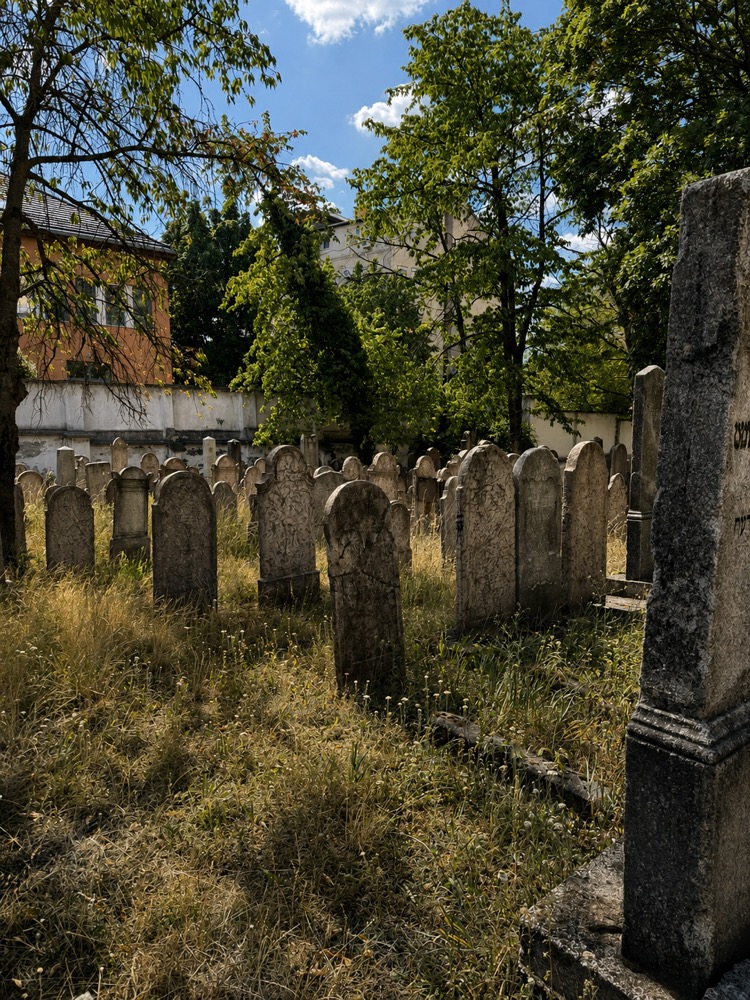
If you’ve ever been to MOM Park, you’ve probably walked just a few metres from one of Budapest’s most unusual places — a closed orthodox Jewish cemetery on Csörsz Street. It’s hidden behind a high wall with no signs, and getting inside is next to impossible.
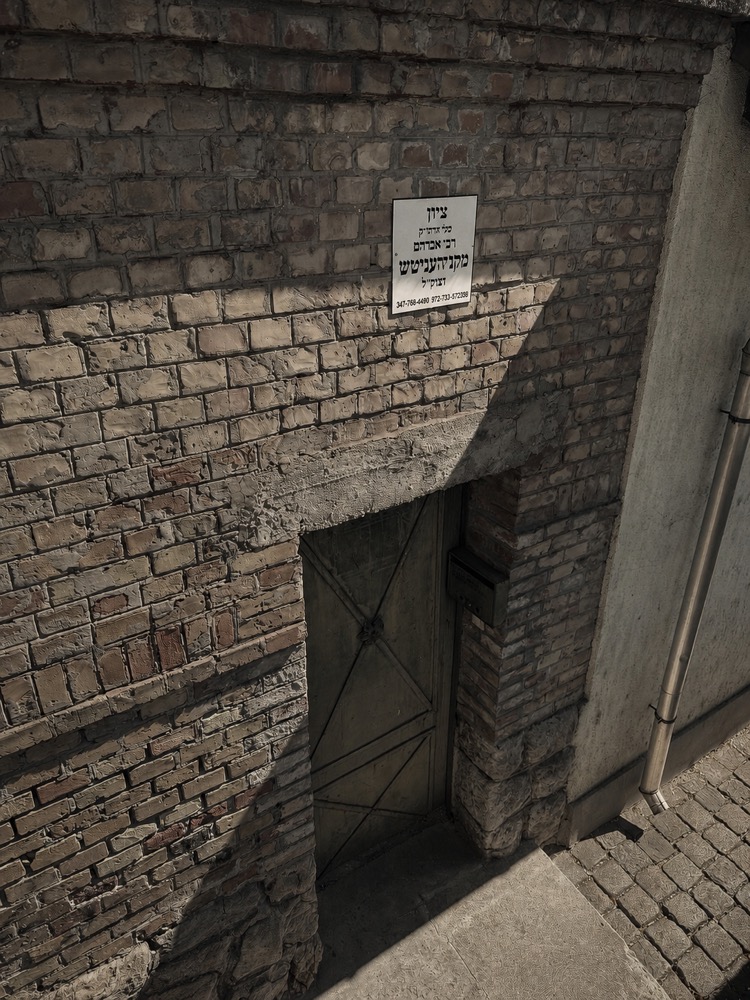
Cemetery entrance
The history of this cemetery began in the late 19th century: the plot was handed over to the orthodox community in 1883, and regular burials began in the 1890s. Today it is the oldest surviving Jewish cemetery on the Buda side of Budapest, and was designated a national heritage site in 2023.
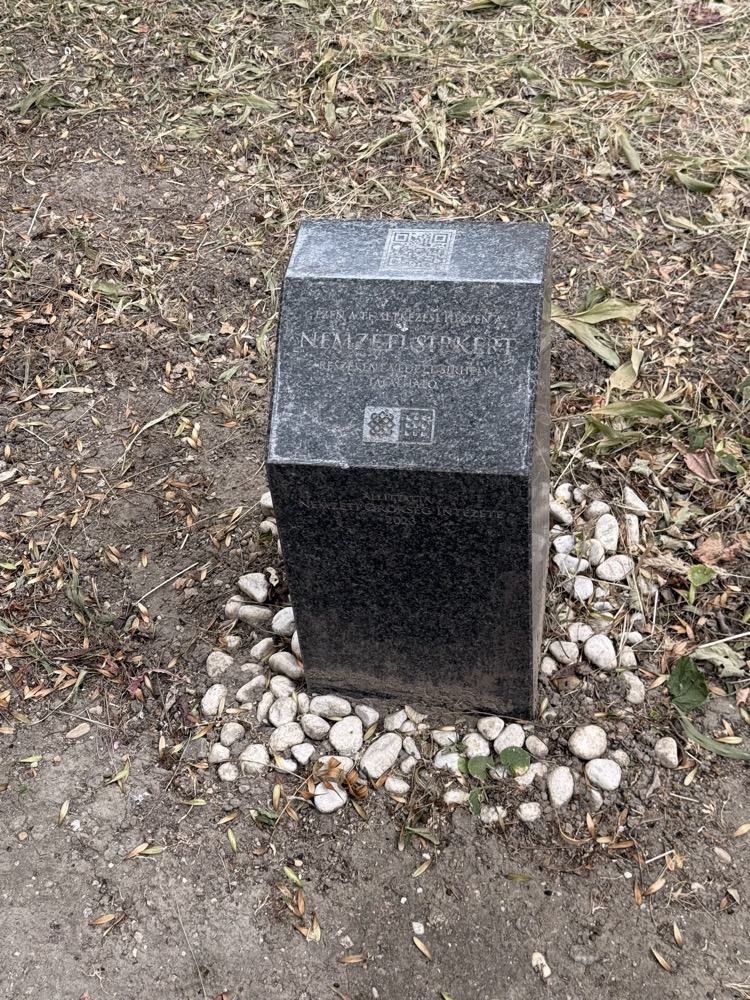
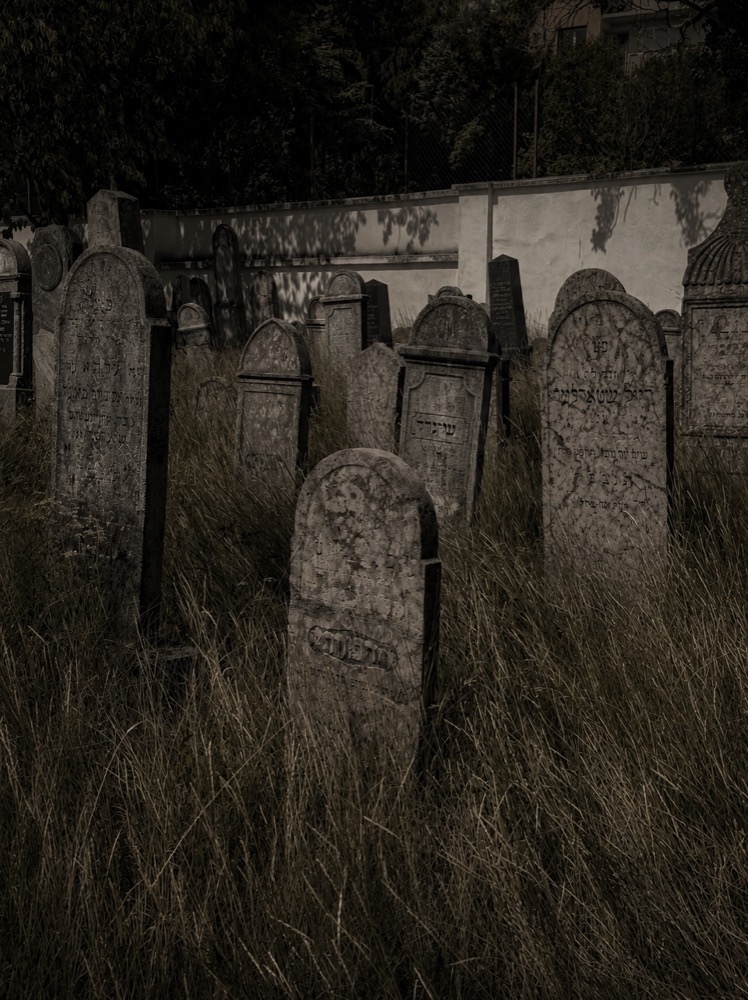
The cemetery is organised according to strict religious rules: all graves face east, men and women are buried separately, and the kohanim (descendants of the priestly line) have their own entrance and path. Only Budapest residents are buried here, making it a kind of chronicle of the city’s old orthodox Jewish community. Among those interred are Hungary’s chief rabbi Yaakov Koppel Reich — whose funeral in 1929 drew a procession of thousands — the Freudiger family, rabbi Viktor Süssmann, and many others.
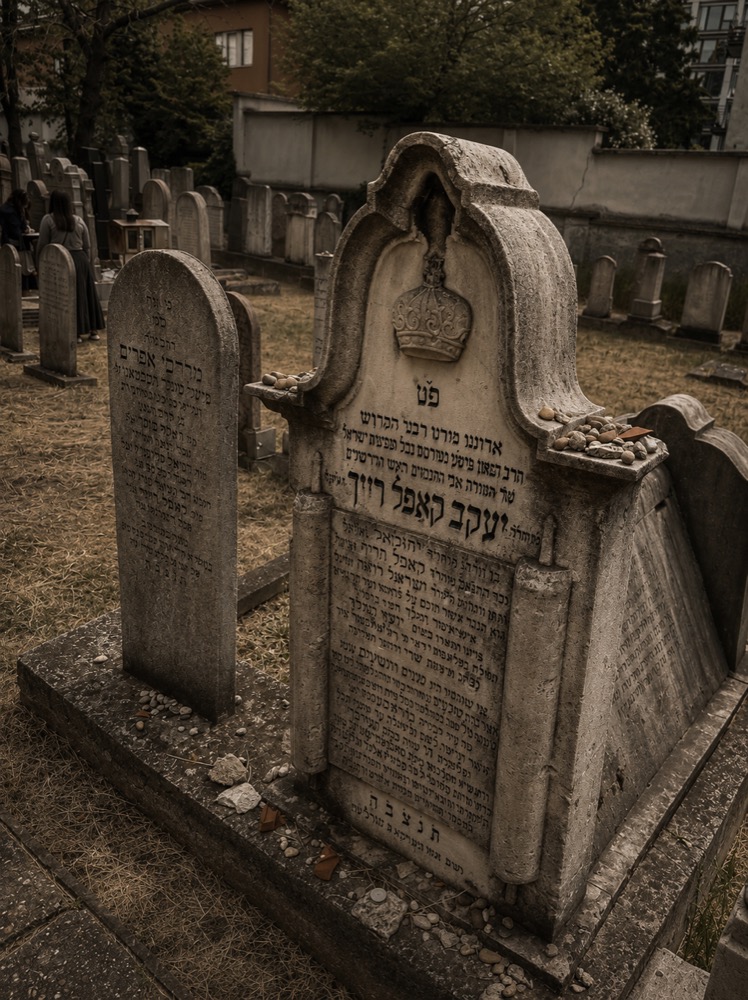
Grave of rabbi Yaakov Koppel Reich
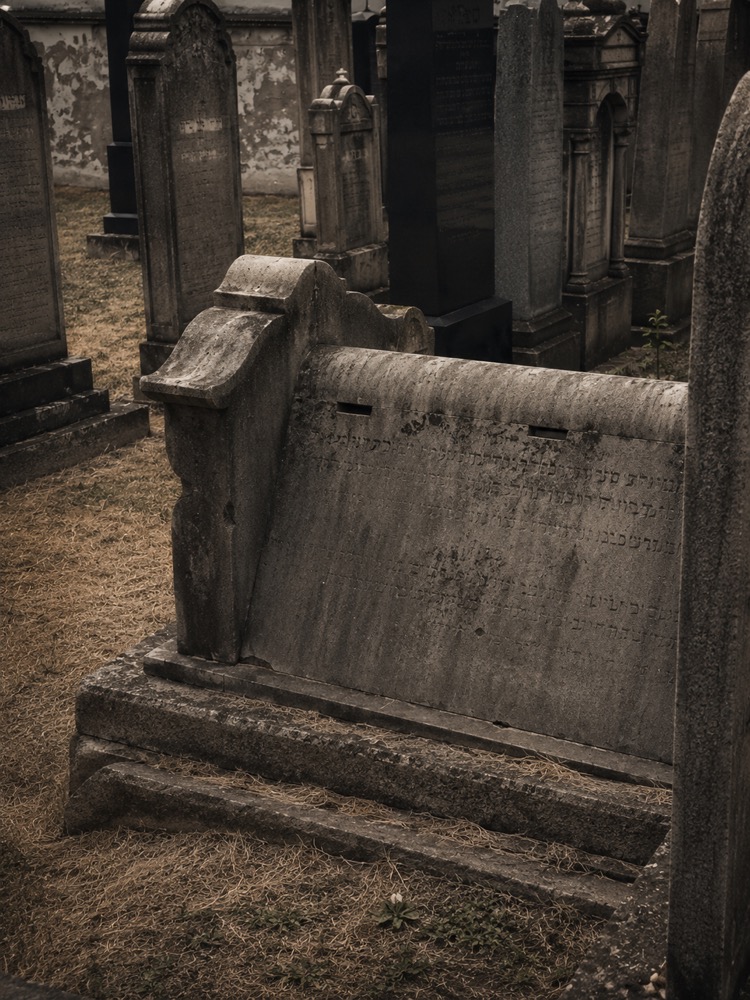
Ohel (funerary structure) with slots for kvitlakh (written prayer requests) at the grave of Yaakov Koppel Reich
The cemetery also bears witness to a devastating chapter of history: it holds the graves of 154 victims of the mass killing at the Városmajor Jewish Hospital, carried out by Arrow Cross fighters in January 1945. A memorial was erected nearby the following year, and commemorative ceremonies still take place there today. The last burial at this cemetery was in 1961.
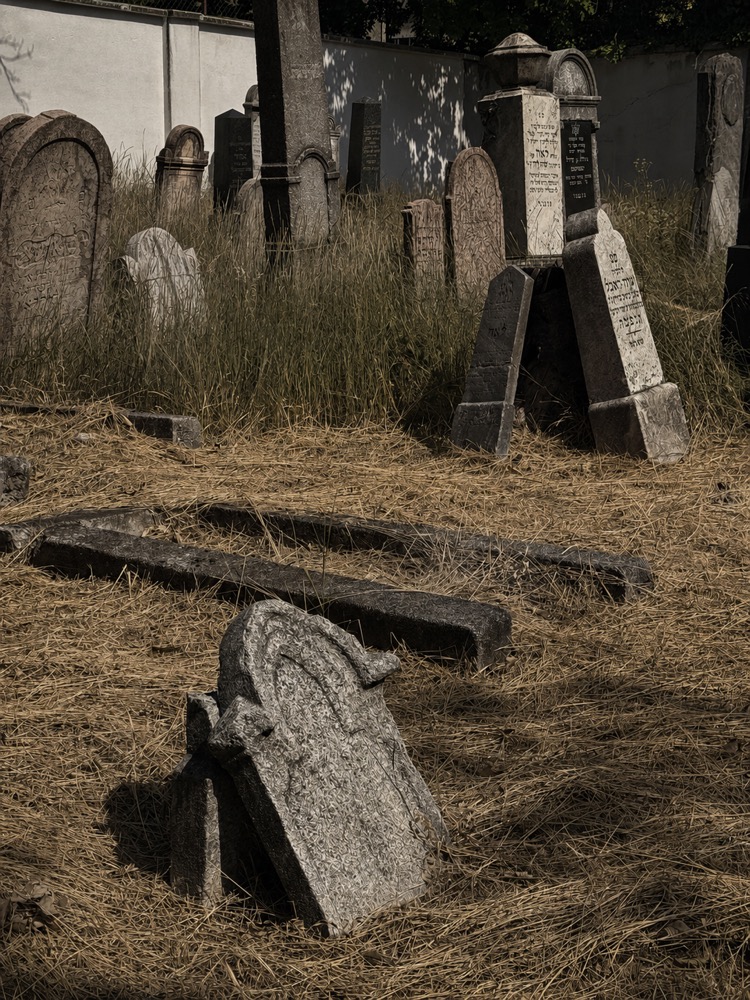
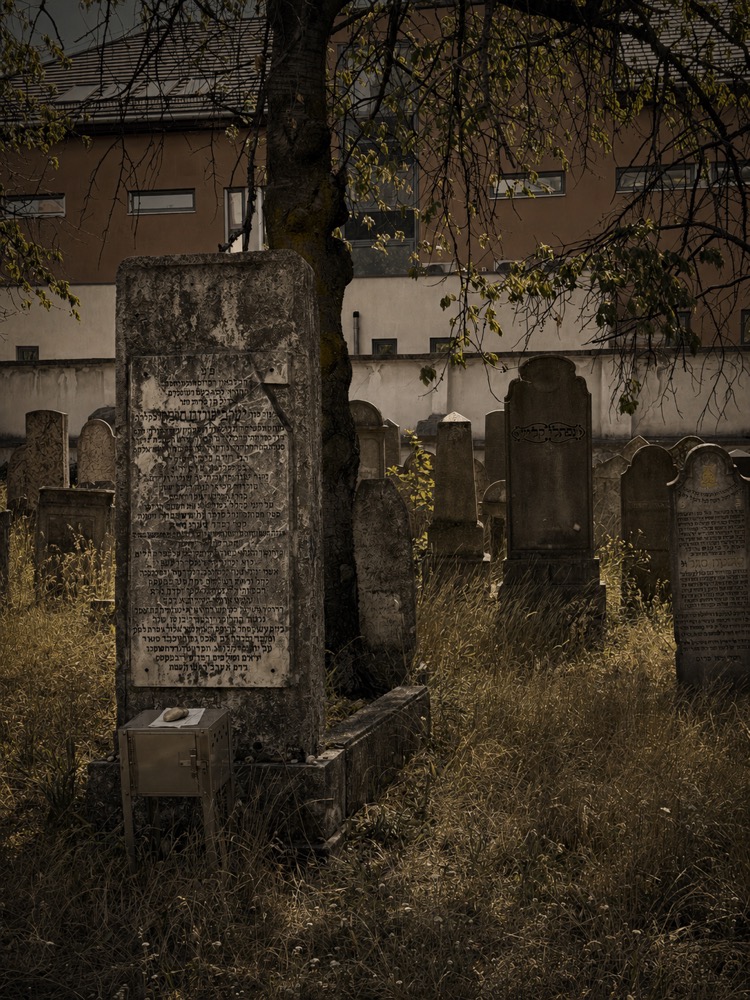
But the most remarkable story came ten years later. The MOM optics factory across the road proposed demolishing the cemetery to build a kindergarten and housing. The authorities backed the plan and even offered the Jewish community a multi-million forint compensation in exchange for “voluntarily” giving up the land. It seemed like a done deal — but rabbi Jenő Groszberg refused to sign. He reminded the authorities that Jewish law prohibits disturbing the dead, and that the community had no right to abandon an ancient cemetery without at least trying to defend it. Instead of consent, an official memorandum of refusal was submitted — and the authorities unexpectedly dropped their plans.
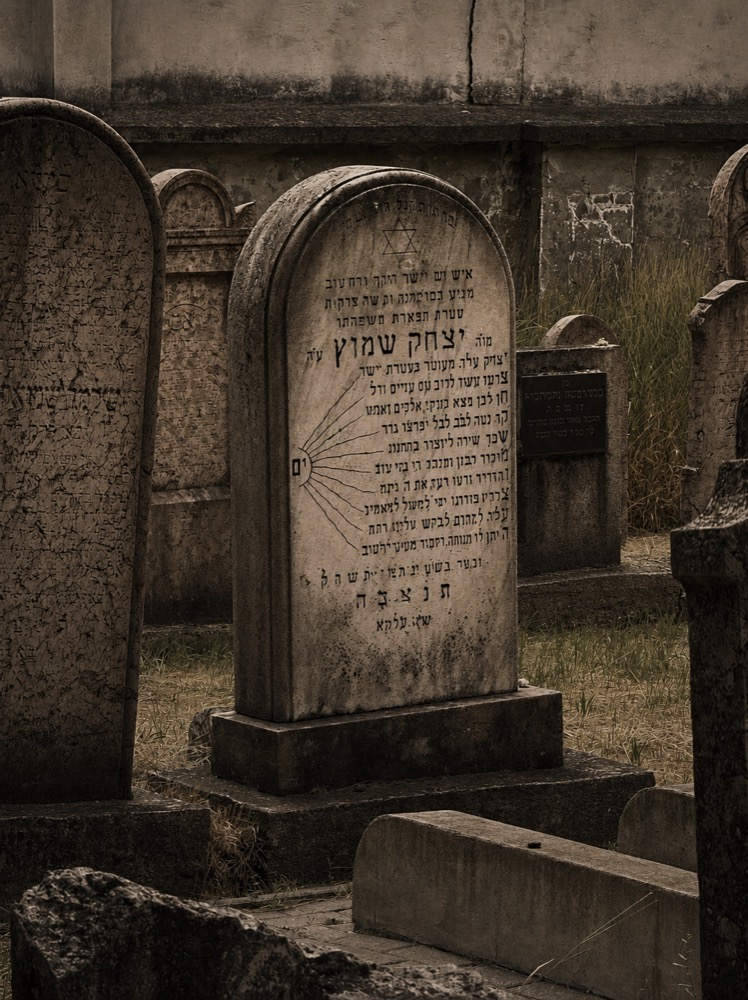
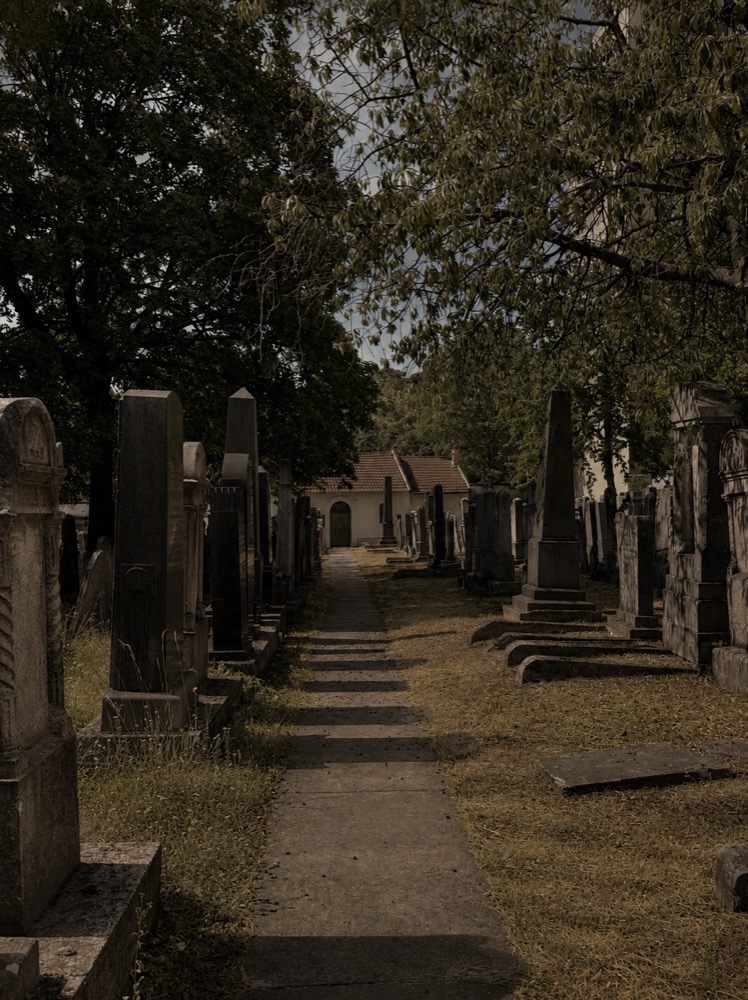
After the change of political regime, the cemetery was gradually restored: gravestones were repaired, the grounds were tidied up, and the ritual building at the entrance was rebuilt. But years of neglect had taken their toll — many monuments had been stolen or destroyed, and some graves remain nameless to this day.
And so it turns out that just behind a wall in one of Buda’s busiest neighbourhoods lies a historic place that survived a world war, socialism, and its own near-certain demolition.
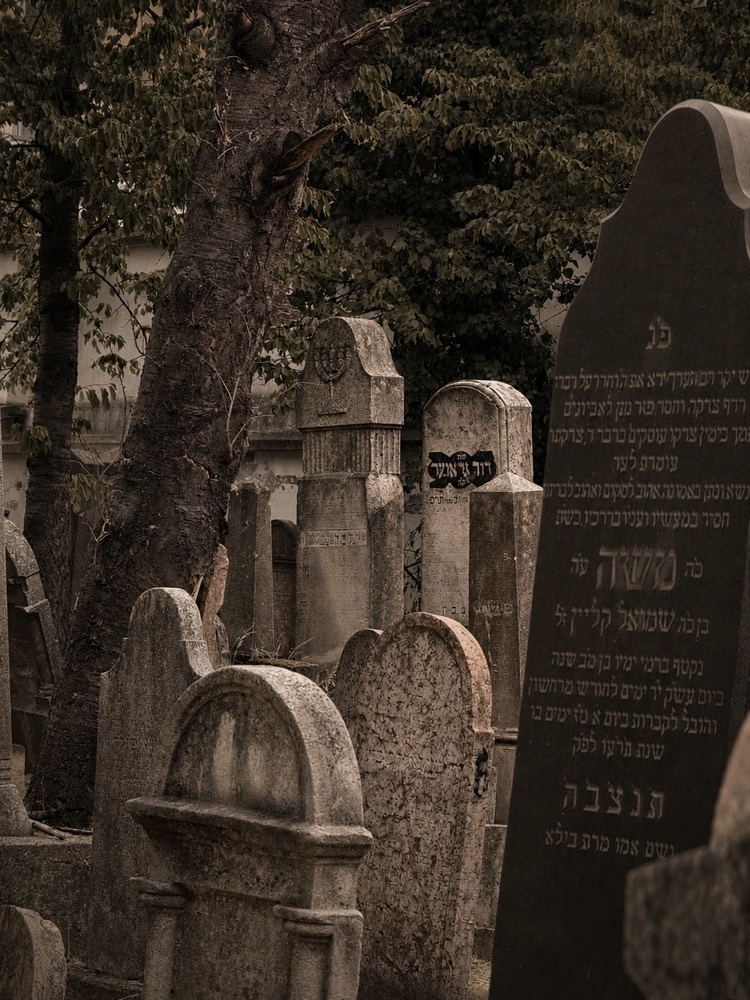
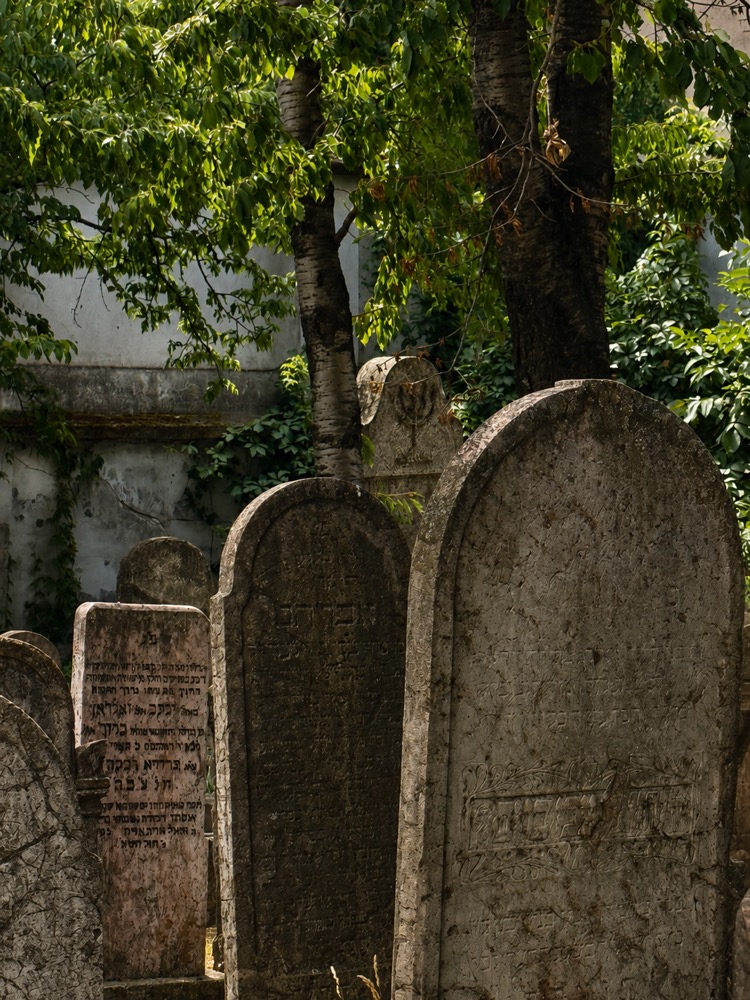
Visiting: entry is free — you just need to find the caretaker. Closed on Saturdays and Jewish holidays.