
Online videos increasingly follow the same script: “I hired an ancestry company, found a relative from the former Austro-Hungarian Empire, and got citizenship.” It sounds appealing — right up until you read the requirements and notice the line nyelvtudás igazolása (helyben) — proof of Hungarian language knowledge, on the spot. Even if your closest relative was Hungarian on both sides, the language requirement still applies. You need to know Hungarian — but there are several important nuances here.
1. Do I need a language certificate?
No diploma at B2 or C1 is required, and you won’t be asked to take a separate language exam. Language ability is assessed during the in-person submission: you need to understand the official’s questions and answer them in Hungarian yourself.
2. So is basic knowledge enough?
Although no official level is specified, applying with beginner Hungarian (A1–A2) is practically impossible. The issue isn’t that you can’t memorise answers to standard biographical questions — it’s that at that level, you’ll struggle to understand what’s being asked of you. Officials at government offices and consulates are not language teachers; they won’t adapt their questions to a learner’s level. If communication breaks down, you may be asked to come back once your Hungarian is stronger.
3. What does a consulate interview actually look like?
There’s no official question list or fixed template. The conversation typically centres on your biography and application. But there’s always room for casual exchanges too: how you got there, what the weather’s like, your plans for the weekend, your interests. These spontaneous questions often reveal more about genuine comprehension than scripted answers do.
4. Does the interview always happen?
It depends on where you apply. At a consulate, the language assessment tends to be a more clearly defined part of the procedure — the consul comes prepared to evaluate your Hungarian. When applying inside Hungary through domestic offices, there may be no separate block called an “interview.” But language is assessed throughout: in how you interact with the official, fill out and clarify the application, and respond to questions about your documents. Additional questions are also quite possible.
5. Does language assessment end when the documents are submitted?
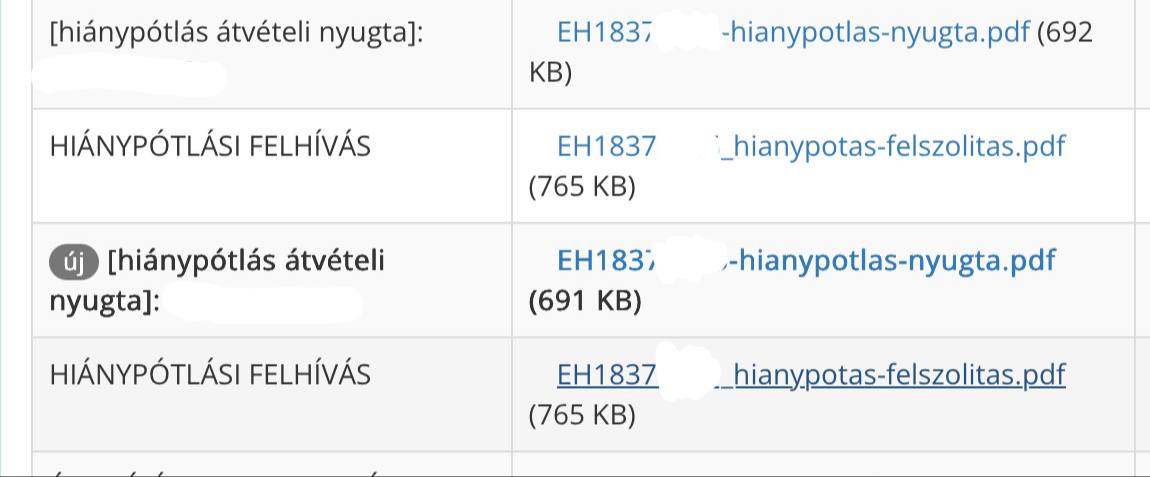
Unfortunately, no. After the application is accepted, you may receive a call or letter asking for clarification or an additional document. This may be routine bureaucratic communication — but it also reveals whether you can sustain contact in Hungarian outside a prepared situation.
6. What if I have an accent or speak a dialect?
That’s not a problem. What matters most is successful communication: you understand the question and respond in a way that’s understood.
The guiding principle here is simple: not “passing a language test,” but being able to function in the language in real conversation. Understanding a question, asking for clarification, explaining your point, talking about yourself — and not getting lost when the conversation goes off script.
In upcoming posts, we’ll look more closely at how to prepare for a simplified naturalisation interview.