
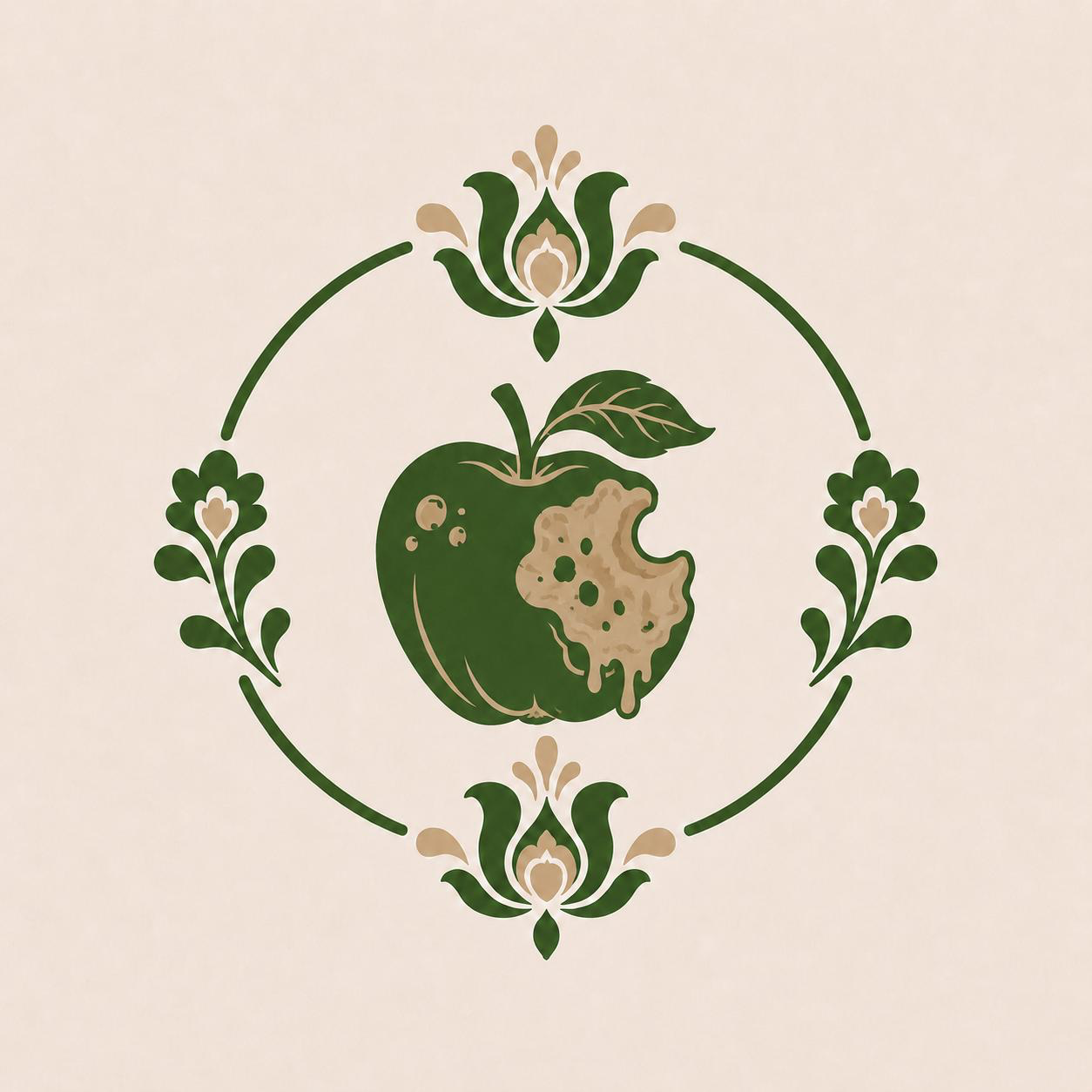
Hungarian has two very similar words — rohadt and rothadt / rodhadt. They differ by just one letter, but their meanings are quite distinct.
Rothadt is the more literal word. It relates to rotting, decay, and decomposition — used for something physically spoiled or, figuratively, morally corrupt:
rothadt alma — rotten apple; velejéig rothadt — rotten to the core
Rohadt, on the other hand, has taken on a life of its own as a colloquial intensifier — roughly “damn”, “awfully”, or “bloody”, though sometimes it turns quite crude, depending on context:
rohadt jó volt — it was damn good; rohadt hideg van — it’s awfully cold; rohadt ajtó — this bloody door
The two words sound almost identical — here is rohadt and rothadt.
! In short: rothadt = “rotten”, rohadt = colloquial intensifier, “damn” / “awfully”.
Practice
Kanadia Art is a great channel by a Hungarian woman who does animation and makes short videos about everyday life, work, and very relatable situations. Below is a clip where the narrator uses today’s vocabulary. Notice how rohadt works as an emotional intensifier meaning “damn”, “terribly”:
Szóval így kerültem ebbe a rohadt kínos szituációba. Nos mivel az elmúlt időszakban 2 állásinterjún is voltam, ezért rájöttem arra, hogy igazából ez egy rohadt érdekes téma.
So that’s how I ended up in this terribly awkward situation. And since I’d been to two job interviews over the past period, I realised this is actually a damn interesting topic.
The second example is a Telex video headline about compulsive hoarding. Here rodhadt is used in its literal sense — “rotten”, “spoiled”:
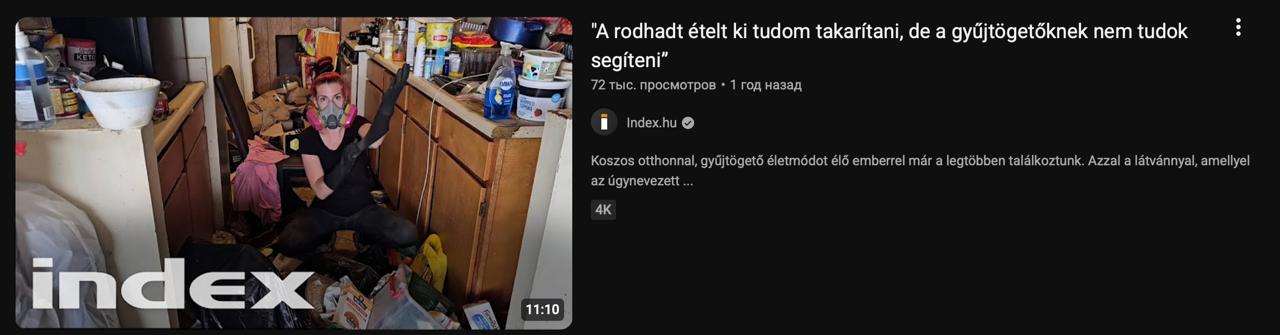
A rodhadt ételt ki tudom takarítani, de a gyűjtögetőknek nem tudok segíteni
I can clean up the rotten food, but I can’t help people who hoard